
Describe the property
Send the location, symptoms, equipment and access details. State whether the work is a repair, replacement or planned project.
Need duct cleaning in Waterloo? Tell us which air ducts, dryer vent or ventilation equipment need attention. A responding provider will confirm coverage and availability before booking.
Get A Free QuoteCompare scopes for cleaning both supply and return branches, including the collection method, accessible areas, and any before-and-after documentation.
View scopeAsk how rods and brushes will follow the vent's bends, vertical rises, and route to the exterior termination, and whether airflow will be checked.
View scopeCompare blower removal and cleaning with in-place evaporator coil washing. Confirm equipment access and how controls and electrical components will be protected.
View scopeFor an HRV, check whether core removal, screens, and condensate paths are included. For exhausts, confirm the route from grille to termination.
View scopeConsider treatment only after discussing the odour source and cleaning scope. Request the product name, application method, and re-entry information.
View scopeCompare inspection findings for joints, boots, and damaged sections. Ask whether each proposed repair calls for sealing, reconnection, or replacement.
View scopeDefine included ducts and equipment, access and operating limits, scheduling needs, and the photographic records required for the property file.
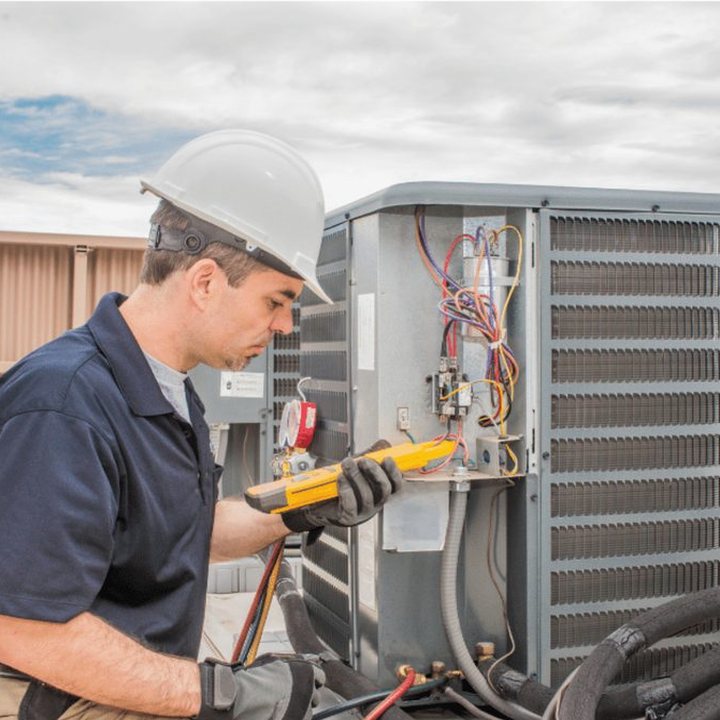
View scopeCommercial ventilation systems in Waterloo can vary widely in size, access, operating hours, and the equipment they serve. Before requesting a cleaning scope, gather system information, note rooftop units or make-up air equipment, and identify areas that cannot be interrupted. Ask which ducts and components are included, how access will be arranged, and what photographs or completion records can be provided. If work outside regular hours is needed, discuss scheduling requirements rather than assuming a particular time is available.
Compare scopes for cleaning both supply and return branches, including the collection method, accessible areas, and any before-and-after documentation. Ask how rods and brushes will follow the vent's bends, vertical rises, and route to the exterior termination, and whether airflow will be checked. Compare blower removal and cleaning with in-place evaporator coil washing. Confirm equipment access and how controls and electrical components will be protected.
For an HRV, check whether core removal, screens, and condensate paths are included. For exhausts, confirm the route from grille to termination. Consider treatment only after discussing the odour source and cleaning scope. Request the product name, application method, and re-entry information.
Compare inspection findings for joints, boots, and damaged sections. Ask whether each proposed repair calls for sealing, reconnection, or replacement. Define included ducts and equipment, access and operating limits, scheduling needs, and the photographic records required for the property file.
A dryer vent's route matters as much as the lint visible at the connection. If the line serving a property in Waterloo has bends, vertical rises, a long run, or a termination that is hard to reach, ask how the proposed cleaning will follow its full path. A rod-and-brush method may be appropriate for clearing lint through the pipe to the exterior termination. Compare what is included and ask whether airflow will be checked at the hood when work is complete.
Explore this serviceSend the location, symptoms, equipment and access details. State whether the work is a repair, replacement or planned project.
The request is reviewed so the responding provider can clarify the work, property access and service coverage.
Agree the provider identity, qualifications, written scope, pricing and visit window directly. Sending a form does not confirm an appointment.
If the duct runs through a finished basement, rises vertically, or changes direction several times, provide photographs of accessible sections and the exterior hood. Ask how the tools will travel through the full route and whether the termination will be checked. These details help identify access needs and limits.
If dust is a concern, ask whether return-side openings have been checked and how findings will be distinguished from supply leakage. A return leak may draw air from surrounding spaces into the system, while a supply leak sends conditioned air elsewhere. The location changes the repair priorities and the explanation you should receive.
If the property is between tenants, note any renovation work, unusual debris, or access limits before requesting a scope. Ask whether the proposed work covers the full supply and return system and what documentation is included. Turnover timing may affect access, but does not by itself establish that cleaning is needed.
Ask whether the blower assembly will be removed or cleaned in place, and whether the wheel, motor housing, and cage will be addressed. Photograph the equipment label and visible buildup before requesting a scope. Access and assembly design affect the work, while cleaning may not resolve problems caused by other components.
If the property has an HRV, provide its model information and ask whether the core will be removed for cleaning rather than vacuumed in place. Confirm whether screens and condensate paths are included. Core design, access, and manufacturer guidance determine the suitable method and affect the scope.
Use the form to describe the property, the symptoms and the work requested. For Kitchener, Elmira, Conestogo, St. Jacobs, include your postal code so local coverage can be checked.